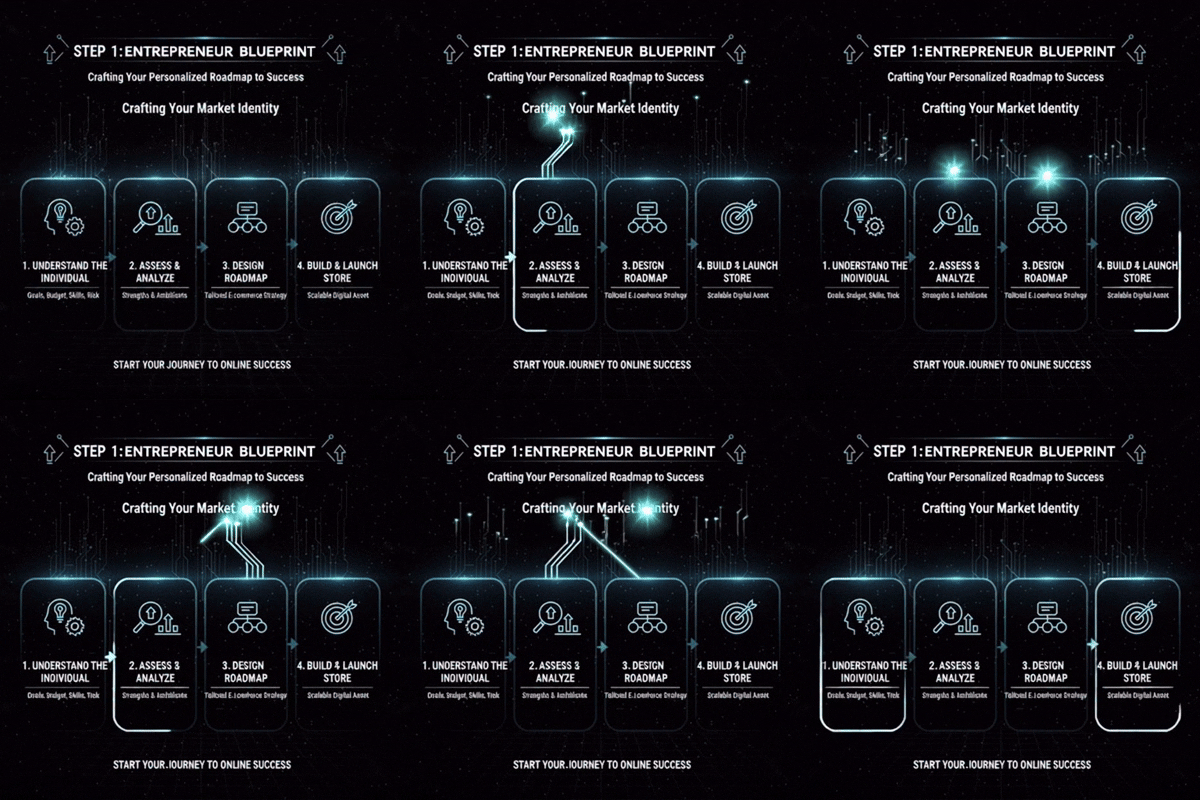
Step 1: Entrepreneur Blueprint
We start by understanding the individual’s goals, budget, skills, and risk appetite. Based on this, we design a personalized e-commerce roadmap, not a one-size-fits-all store.
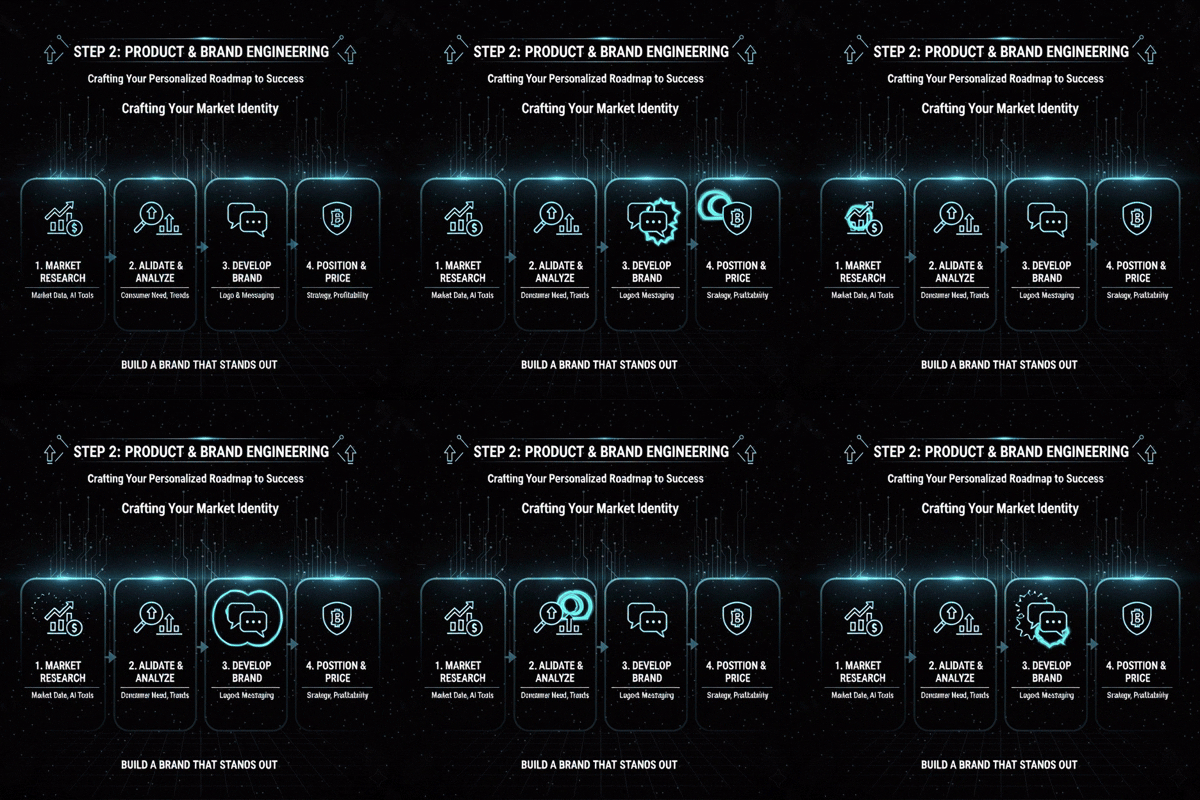
Step 2: Product & Brand Engineering
Using market research, AI tools, and demand validation, we identify winning products and craft a strong brand identity—logo, messaging, positioning, and pricing that stands out.
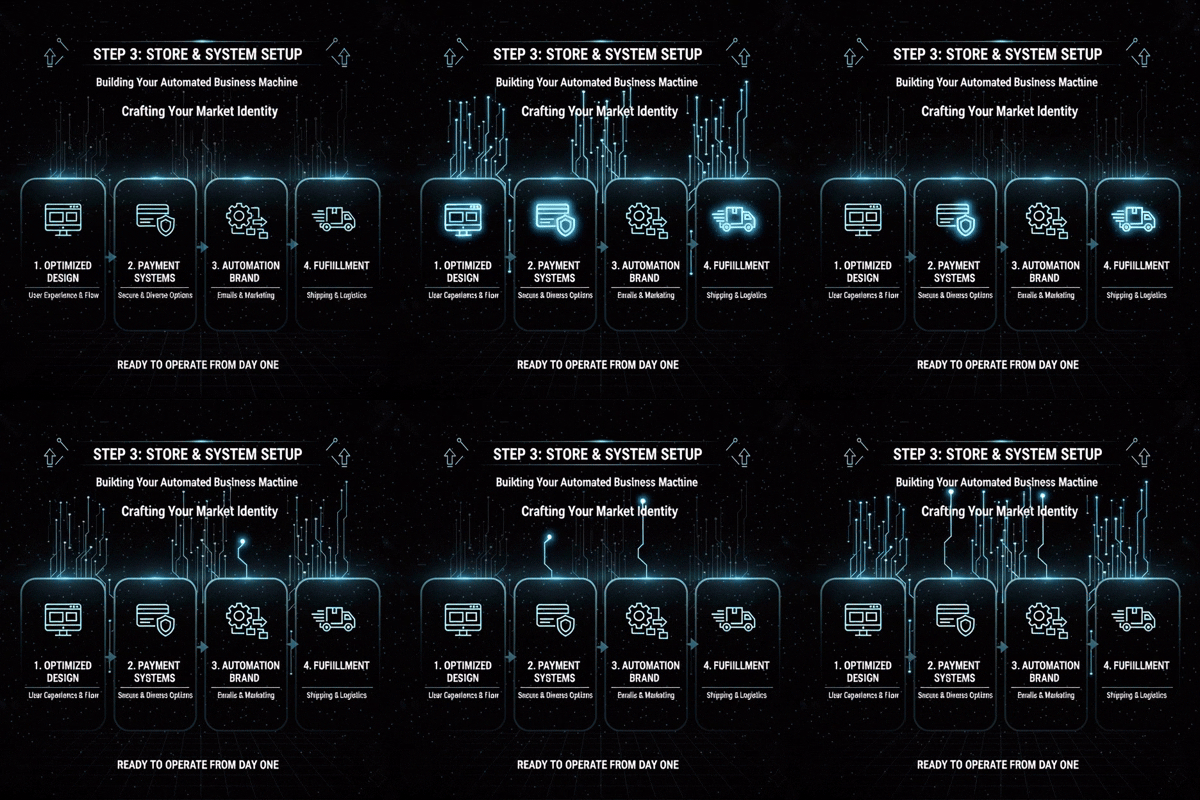
Step 3: Store & System Setup
We build a high-converting e-commerce store with optimized design, payment systems, automation, and fulfillment workflows—ready to operate like a real business from day one.
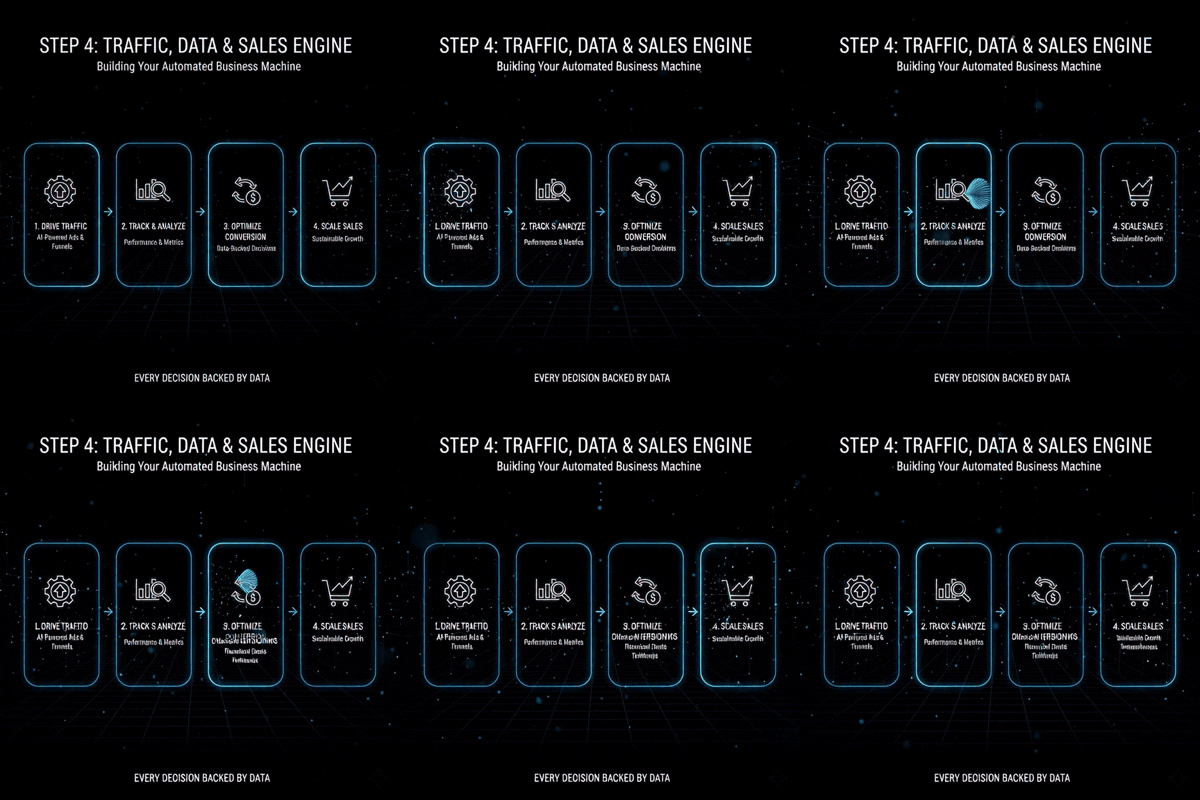
Step 4: Traffic, Data & Sales Engine
Through AI-powered ads, funnels, and analytics, we drive targeted traffic, track performance, and optimize conversions. Every decision is backed by data, not guesswork.
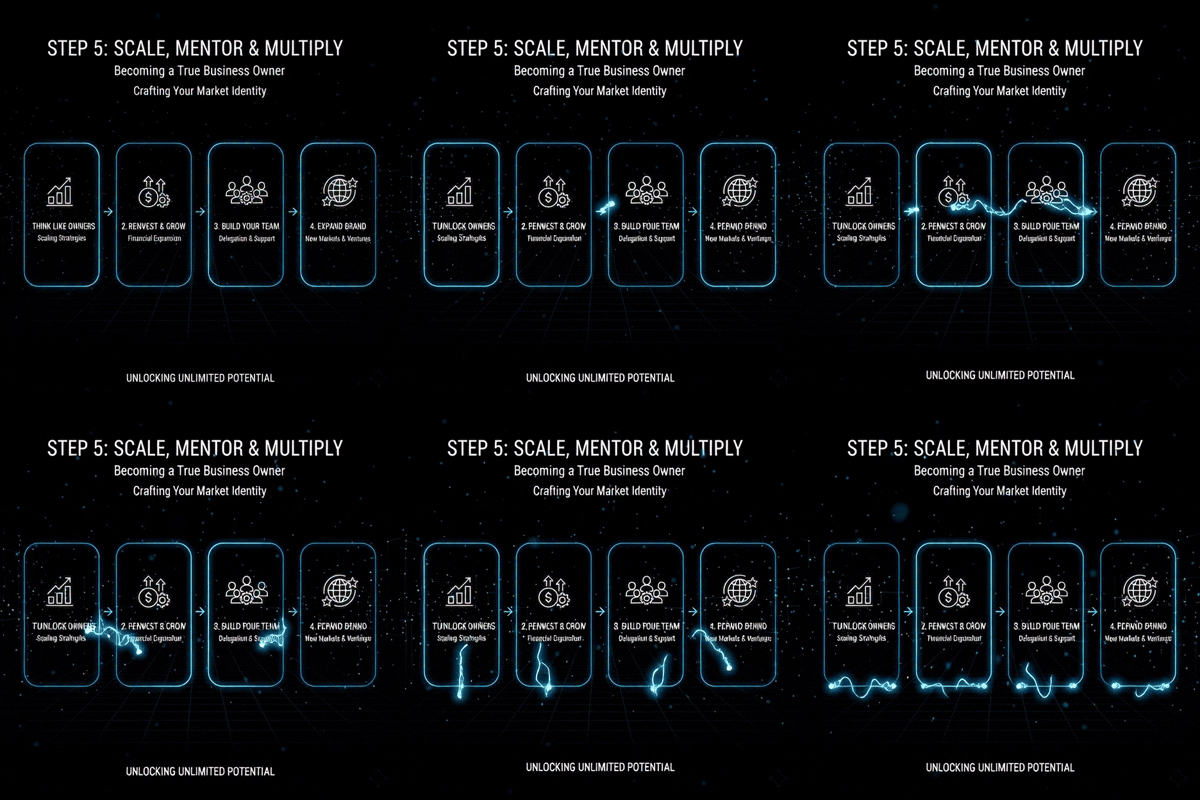
Step 5: Scale, Mentor & Multiply
We mentor our clients to think like owners, not operators—teaching scaling strategies, reinvestment, team building, and brand expansion.
Brand Means Business
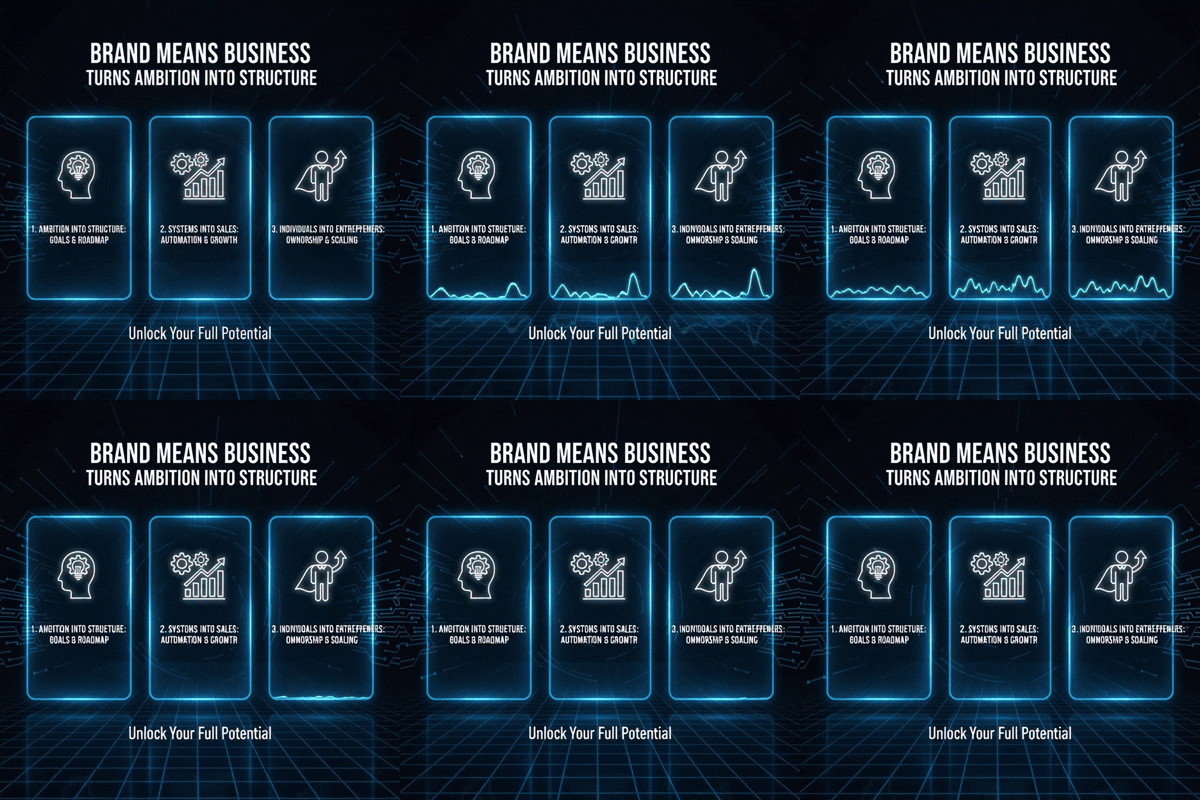
Brand Means Business turns ambition into structure, systems into sales, and individuals into entrepreneurs.